
What Affects the Price of Home and Auto Insurance Quotes in California?
If you have opened a policy renewal notice recently and felt a sudden wave of sticker shock, you are far from alone. Across California, residents are navigating one of the most volatile insurance markets in recent history. Whether you are insuring a quiet suburban home, a bustling small business, or the family vehicles, premiums have climbed noticeably.
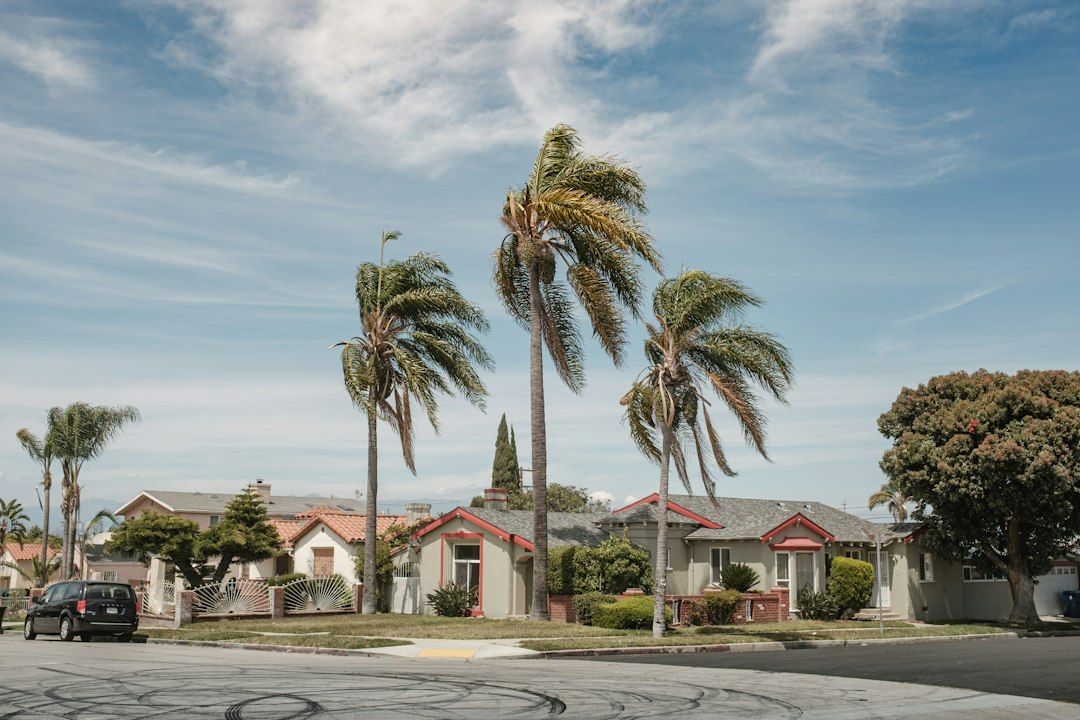
The Hidden Variables Behind Your Coverage Costs
If you have opened a policy renewal notice recently and felt a sudden wave of sticker shock, you are far from alone. Across California, residents are navigating one of the most volatile insurance markets in recent history. Whether you are insuring a quiet suburban home, a bustling small business, or the family vehicles, premiums have climbed noticeably. In fact, recent data from the Los Angeles Times and S&P Capital IQ indicates that California auto insurance rates have jumped by more than 30% for the vast majority of drivers since 2023. At the same time, the state’s homeowners are facing their own historic rate increases due to shifting environmental risks.
When clients come to us feeling frustrated by these rising costs, their first question is almost always: “Why is my price going up when my lifestyle hasn't changed?”
At Sara Mirzaei Insurance Agency, we believe that education is the ultimate antidote to market frustration. The more you understand the underlying mechanisms that dictate your premiums, the better equipped you are to make strategic decisions about your coverage. In this comprehensive guide, we will break down the primary factors that influence the price of bundled quotes in our state. By the time you finish reading, you will understand exactly what goes into calculating an accurate price, and why seeking out a combined home and auto insurance quote is often the smartest financial move you can make.
The Current Landscape of California Insurance Pricing
To understand why your personal quotes look the way they do, we first have to look at the broader economic and environmental picture in California for 2025 and 2026. The insurance industry operates on the basic principle of risk pooling. When the cost of resolving claims goes up across the state, those costs eventually ripple out to individual policyholders.
For homeowners, the story of the past half-decade has been dominated by wildfires, inflation, and market constriction. According to 2026 market analysis from ValuePenguin, California home insurance rates have surged by over 55% over the past six years. Several major national carriers have paused writing new policies or severely restricted their guidelines, leading to a classic supply-and-demand squeeze. With fewer companies competing for your business, securing affordable coverage requires more effort and strategy than it used to.
On the automotive side, the state has witnessed a perfect storm of rising repair costs, more severe collisions, and updated legislative requirements. Even if your car spends most of its time parked safely in your garage, the statewide data regarding vehicle repair and liability payouts directly impacts the baseline rates insurers must charge to remain solvent.
This volatile environment is exactly why evaluating car insurance and homeowners insurance quotes together has evolved from a simple convenience into a critical cost-saving strategy. Insurers are eager to retain lower-risk, long-term clients, and they offer substantial multi-line discounts to earn all of your business.
Primary Factors Affecting Your Home Insurance Premium
When an underwriter looks at your property to determine a price, they are evaluating the likelihood of a future claim and the potential cost to rebuild your home if a total loss occurs. Let us explore the specific variables they consider.
Location and Wildfire Exposure
In California, nothing influences your property premium more than your ZIP code and local topography. Homes nestled in the picturesque foothills, near canyons, or surrounded by dense brush carry a significantly higher wildfire risk score. Insurers use advanced mapping software to determine exactly how close your property is to historical burn scars and active fault lines. If your home is classified as high-risk, you might need to rely on specialized coverage or the California FAIR Plan, which inherently alters the price structure of your quote.
Construction Costs and Inflation
Your home insurance premium is heavily tethered to your dwelling coverage limit—the amount it would cost to rebuild your home from the ground up. Over the past few years, the cost of lumber, copper, roofing materials, and skilled labor in California has skyrocketed. Because it costs significantly more to rebuild a home today than it did five years ago, your coverage limits must be higher to adequately protect you, which naturally increases the premium.
Age of the Home and Major Systems
The older your home, the higher the likelihood of a mechanical failure that leads to a claim. Insurers pay very close attention to the age of your roof, plumbing, and electrical systems. A home with original 1970s plumbing is statistically much more likely to experience a catastrophic indoor water leak than a newly built house. Taking proactive steps—like replacing an aging roof or updating old electrical panels—can favorably impact your rates when requesting an auto and home insurance quote.
Deductibles and Coverage Add-Ons
Your deductible is the amount you agree to pay out of pocket before your insurance benefits kick in. Choosing a low deductible will result in higher annual premiums, whereas carrying a higher deductible shifts some of the initial financial risk to you, thereby lowering your premium. Additionally, enhancing your policy with vital endorsements like water backup coverage, equipment breakdown, or scheduled personal property will adjust the final price. Navigating these options is a delicate balance, which is why choosing coverage limits and deductibles with a professional is so highly recommended.
What Drives the Cost of Your Auto Insurance?
Auto insurance pricing is a blend of personal factors and statewide trends. While you cannot control the inflation of car parts, you do have control over several personal variables.
Vehicle Type, Weight, and Technology
We are driving increasingly sophisticated—and heavy—vehicles. Electric vehicles (EVs), which are incredibly popular in California, are remarkably heavy due to their battery packs. When heavier vehicles are involved in collisions, they generate more force, leading to more severe damage. Furthermore, the technology embedded in modern cars has transformed minor fender-benders into expensive repairs. A damaged bumper used to require a simple piece of plastic and some paint. Today, that same bumper is packed with backup sensors, lane-departure cameras, and complex wiring. If you request a car and home insurance quote, the specific make, model, and repair costs associated with your vehicles will heavily influence the automotive portion of the rate.
Statewide Minimum Liability Increases
As of January 1, 2025, a crucial legislative change took effect in California. The state increased the mandatory minimum auto liability limits for the first time in decades. Bodily injury minimums jumped from $15,000 per person to $30,000, and property damage minimums tripled from $5,000 to $15,000. While this change was necessary to protect victims of accidents from modern medical and repair costs, it also meant that baseline rates across the state had to adjust upward to account for the higher mandatory payouts. You can learn more about how state rules shape your pricing in our guide on how California auto insurance rates are calculated.
Driving Record, Mileage, and Experience
Your history behind the wheel remains one of the most reliable predictors of future risk. Drivers with clean records, free of at-fault accidents and moving violations, are rewarded with the most competitive pricing. Furthermore, California insurers place significant weight on your annual mileage. If you work from home and drive fewer than 7,000 miles a year, you present far less risk than a super-commuter logging 20,000 miles annually on the congested freeways of Los Angeles or the Bay Area.
How Bundling Changes the Pricing Equation
When clients come to us feeling overwhelmed by individual policy price hikes, our first recommendation is almost always to consolidate. The mechanics of the multi-policy discount are powerful and straightforward, yet often underutilized.
When you purchase your auto and property policies from the same carrier, the insurer benefits from increased customer retention. Statistically, clients who bundle are less likely to switch carriers on a whim. Because the insurer saves on customer acquisition and administrative costs, they pass those savings directly back to you.
When comparing car insurance and home insurance quotes, it is crucial to look at the combined total rather than evaluating them in isolation. You might find a slightly cheaper standalone auto policy with Company A, and a slightly cheaper standalone home policy with Company B. However, the substantial bundling discount offered by Company C will frequently make their combined package the most cost-effective and comprehensive option overall.
Furthermore, having your policies under one roof simplifies your life. If a severe storm damages both your roof and the car parked in your driveway, dealing with a single agency and a single claims department is infinitely less stressful than navigating two entirely separate corporate bureaucracies.
Real-World Scenarios: How These Factors Interact
To truly understand how these variables interact, let us look at a couple of hypothetical scenarios based on real-world market dynamics in California.
Scenario 1: The Suburban EV Owners Consider a couple living in a newer development in the Central Valley. Their home was built in 2018, meaning the roof, plumbing, and electrical systems are all modern and up to code. However, they recently purchased two brand-new electric SUVs and commute 15,000 miles a year. When they apply for an auto and homeowners insurance quote, their home insurance portion will likely be quite favorable due to the low wildfire risk and new construction. Conversely, their auto insurance portion will reflect the higher repair costs of the EVs and their extensive daily mileage. By bundling these policies together, the strong profile of their home helps soften the blow of the higher auto premiums, resulting in a balanced overall rate.
Scenario 2: The Coastal Historic Home Now imagine a family living in a beautiful 1930s home near the coast in San Diego. They work from home and drive a pair of older, reliable sedans. In this case, the auto insurance portion of their premium will be relatively low, thanks to minimal daily driving and cheaper vehicle replacement values. However, the home insurance will be priced to reflect the age of the structure and the potential costs associated with bringing a 1930s home up to modern building codes in the event of a partial loss. When they ask our agency to generate a comprehensive package, we focus on identifying specific home update discounts (such as a recently installed modern roof or updated wiring) to counteract the age of the dwelling.
These scenarios illustrate why an off-the-shelf, automated quote rarely provides the full picture. It takes an experienced local agent to look at the nuances of your life and tailor a solution that fits your exact needs.
Expert Insights for Managing Your Premiums in 2026
At Sara Mirzaei Insurance Agency, we pride ourselves on being proactive partners for our clients. Here is our best advice for keeping your coverage robust while managing the costs in today's demanding market.
1. Prioritize Home Hardening
If you live anywhere near a wildfire zone, taking steps to "harden" your home against embers is no longer optional—it is a necessity. Installing fine mesh screens over vents, clearing brush to create a defensible space around your property, and installing fire-resistant roofing materials can yield tangible discounts from your insurance carrier. More importantly, these steps genuinely protect your family and your biggest financial asset.
2. Review Your Coverages Annually
Life changes quickly, and your insurance should evolve with it. Perhaps your teenager just left for a college out of state without a car, or maybe you recently paid off your auto loan and no longer need comprehensive coverage on a decade-old vehicle. An annual review ensures you are not paying for coverage you no longer need. This is especially true when discussing rising home insurance rates in California, where an annual check-in can uncover newly available discounts.
3. Consider Telematics Programs
Many carriers now offer usage-based insurance programs, often referred to as telematics. By downloading a smartphone app that tracks your driving habits—measuring factors like hard braking, late-night driving, and phone handling—you can prove to your insurer that you are a safe driver. For conscientious drivers, these programs can unlock substantial savings that offset the broader state-wide rate increases.
4. Optimize Your Deductibles
We often advise clients to reserve their insurance for catastrophic losses, rather than minor inconveniences. If you have a healthy emergency savings fund, raising your auto collision deductible from $500 to $1,000, or your homeowners deductible from $1,000 to $2,500, can noticeably reduce your annual premium. It is a calculated risk, but one that often pays off over several claim-free years.
5. Work with a Local Professional
It is tempting to rely on generic online calculators, but they often miss the subtle details that a localized professional will catch. California's insurance landscape is incredibly nuanced. When you sit down with a dedicated agent to build your profile, we ensure that every applicable discount—from occupational discounts to safety feature credits—is successfully applied before presenting the final numbers.
Conclusion
Understanding what drives the price of your insurance in California requires looking at a complex web of environmental risks, economic inflation, state regulations, and your own personal habits. While the broader market trends of 2025 and 2026 have undeniably pushed premiums upward, you are not powerless. By maintaining a clean driving record, keeping your home's major systems updated, and actively managing your deductibles, you can exert a strong measure of control over your costs.
Above all, the most effective tool at your disposal is the power of the multi-policy discount. By approaching your coverage holistically rather than purchasing fragmented policies, you present yourself as a stable, highly desirable client to insurance carriers. Navigating this difficult market does not have to be a solo endeavor. With the right professional guidance, you can secure dependable, customized protection that respects your financial boundaries while fiercely guarding your family's assets.
Sara Mirzaei Insurance Agency
Ready to ensure you have the right protection at the best possible rate? Navigating California's dynamic insurance market requires expertise, personalized attention, and a deep commitment to your financial security. At Sara Mirzaei Insurance Agency, we specialize in crafting custom strategies that maximize your discounts while providing robust, dependable coverage. Whether you are looking for clarity on recent rate changes or are ready to explore the financial benefits of bundling your assets, our team is here to help you make informed, confident decisions. Contact us today for a comprehensive coverage review and a personalized quote tailored to your lifestyle. Request your quote here and experience the difference of truly dedicated local service.
By Sara Mirzaei & Team