
Condo Insurance in California: What Unit Owners Need to Know
Owning a condominium in the Golden State offers a unique blend of homeownership and community living, but it also comes with a complex web of insurance responsibilities. As we move deeper into 2026, California condo owners are facing an unprecedented shift in how their properties are protected, with rising rebuilding costs, new laws, and a tightening insurance market.
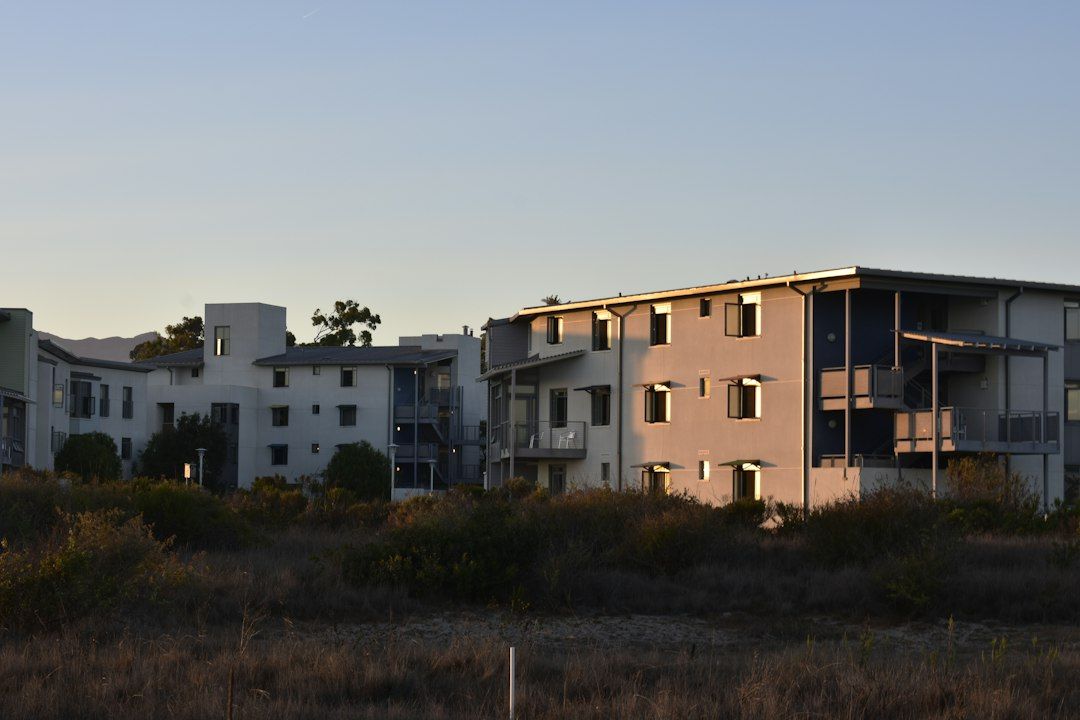
Navigating the Complexities of Condo Coverage
Owning a condominium in the Golden State offers a unique blend of homeownership and community living, but it also comes with a complex web of insurance responsibilities. As we move deeper into 2026, California condo owners are facing an unprecedented shift in how their properties are protected. With rising rebuilding costs, legislative changes like mandatory balcony inspections, and a tightening insurance market, relying solely on your Homeowners Association (HOA) to protect your investment is no longer a safe bet.
At Sara Mirzaei Insurance Agency, we frequently speak with clients who assume their HOA dues cover all their insurance needs. The reality is far more intricate. Understanding where your association's coverage ends and where your personal policy begins is the key to avoiding devastating out of pocket expenses. We help protect families and their possessions and secure their financial future by providing insurance services in a professional manner. In this guide, we will break down exactly how condo insurance works in California and how it coordinates with your HOA master policy to provide seamless protection.
Overview: The Changing Landscape of Condo Insurance
To fully grasp how condo insurance operates, it is important to look at the broader picture of homeowners insurance california residents face today. Over the past few years, the state has experienced significant insurance market volatility. Driven by escalating natural hazard losses, notably wildfires and severe winter storms, insurance carriers have been forced to reassess their risk portfolios.
For HOAs, this has translated into skyrocketing premiums for their master insurance policies. Many carriers have pulled back from covering multi family properties entirely, forcing some associations into the California FAIR Plan as their insurer of last resort [1]. The FAIR Plan recently expanded its coverage limits for condo associations up to $100 million per location to help absorb this demand, but these policies often come with steeper costs and stricter limitations.
What does this mean for you as an individual unit owner? As HOA master policy premiums climb, many associations are increasing their policy deductibles to keep their annual budgets manageable. It is now common to see HOA deductibles jump from $10,000 to $50,000 or even $100,000 per occurrence. If a major fire or water leak damages a common area, the association may pass that massive deductible cost directly down to the unit owners through a special assessment.
Because of this trickle down effect, having robust condo insurance california specific coverage (often known as an HO-6 policy) is more vital than ever. You cannot simply trust that the master policy is comprehensive enough to shelter your personal finances.
Key Aspects: Coordinating Your HO-6 With the Master Policy
The foundation of condo insurance is the careful coordination between the HOA master policy and your individual unit owner policy. To make sure you have the right protection, you first need to understand the exact structure of your association's master policy. You can typically find these details by reviewing your Covenants, Conditions, and Restrictions (CC&Rs) [2].
Master policies generally fall into three categories:
- Bare Walls Coverage: This is the most restrictive type of master policy. It covers the basic building structure, exterior walls, roof, elevators, and common areas like lobbies and pools. However, it covers absolutely nothing inside your specific unit, not your interior walls, your fixtures, your flooring, or your cabinets.
- Single Entity Coverage: Also known as a "walls in" policy, this covers the basic structure as well as the standard fixtures and finishes originally built into your unit. However, any upgrades or renovations you make (like installing premium hardwood floors or granite countertops) are not covered.
- All In Coverage: This is the most comprehensive master policy, covering the building, common areas, and all fixtures, installations, and additions within your unit, regardless of who installed them.
Your Individual Unit Owner Policy
Once you know what the master policy covers, we can structure your individual HO-6 policy to fill the gaps. For a deeper look at the fundamental differences between various property policies, you might want to review our California Property Insurance vs. Homeowners Insurance: What’s the Difference? guide.
An individual condo policy typically includes:
- Dwelling Coverage: If your HOA has a "bare walls" policy, your dwelling coverage needs to be high enough to rebuild the entire interior of your unit from the studs out. If they have "single entity" coverage, you only need enough dwelling coverage to protect your custom upgrades.
- Personal Property: The master policy never covers your personal belongings. Your HO-6 policy pays to replace your furniture, electronics, clothing, and appliances if they are destroyed by a covered peril like fire or theft. For a refresher on these basics, check out our resource on Homeowners Insurance in California: What a Standard Policy Really Covers.
- Liability Protection: If a guest slips on a wet floor inside your unit, or if your bathtub overflows and ruins the ceiling of the condo below you, your liability coverage protects you from costly lawsuits and medical bills. The master policy only provides liability coverage for accidents that happen in common areas like the community gym.
The Critical Role of Loss Assessment Coverage
In 2026, we cannot overstate the importance of Loss Assessment coverage. As we noted earlier, HOAs are taking on higher deductibles to manage their own insurance costs. If a severe storm damages the complex roof and the HOA has a $100,000 deductible, the board may levy a special assessment of $1,000 to each of the 100 unit owners.
Loss Assessment coverage is an optional endorsement on your HO-6 policy that steps in to pay your share of these unexpected HOA assessments, provided the underlying cause of the damage is a covered peril. Given the rising frequency of special assessments across the state, maxing out your Loss Assessment limits is one of the smartest financial moves you can make.
Insights: Navigating California Specific Risks
When comparing home insurance quotes california residents often focus solely on the bottom line premium. However, the cheapest policy rarely offers the comprehensive protection required in our state. Finding the best home insurance california requires a strategic look at local risks.
For example, standard condo policies and HOA master policies almost never cover earthquake damage. If a major seismic event compromises your building, you could be left entirely exposed. Condo owners should strongly consider a separate earthquake policy to protect their equity and personal property.
Similarly, wildfire risk has reshaped the market. If you live in a high risk fire zone, your HOA might struggle to find affordable fire coverage, leading to massive gaps in protection [3]. It is crucial to meet with an experienced, local insurance professional who can review your CC&Rs alongside your personal coverage to ensure you are not caught underinsured. Our California Homeowners Insurance Guide provides excellent context on how local hazard zones dictate insurance strategies.
Another insight we share with our clients is to pay close attention to legislative changes. For instance, laws like California's SB 326 require mandatory inspections of elevated exterior elements like balconies and decks. If an HOA discovers severe structural issues and does not have the reserve funds to fix them, unit owners could face sudden, large special assessments. Having a well structured HO-6 policy with ample loss assessment and loss of use coverage is your best defense against these unpredictable community expenses.
Top Mistakes California Condo Owners Make
In our more than 15 years of experience providing multi line insurance products, we have seen unit owners make several common, yet avoidable, errors when setting up their home insurance california policies.
- Assuming the HOA Covers Everything: This is the number one mistake. Relying blindly on the master policy without reading your CC&Rs often leads to devastating out of pocket costs for interior damages.
- Underinsuring Personal Property: Many owners underestimate the total value of their belongings. If you flipped your condo upside down, everything that would fall out counts as personal property. Taking a thorough home inventory ensures you purchase adequate limits.
- Ignoring Loss of Use Coverage: If a fire renders your condo uninhabitable for six months while the HOA rebuilds the structure, where will you live? Loss of use coverage pays for your hotel, rent, and additional living expenses during this stressful time. Too many owners keep this limit artificially low to save a few dollars.
- Not Shopping for the Right Fit: Looking for the cheapest property insurance ca has to offer is rarely the best strategy. For a step by step approach to evaluating policies based on value rather than just price, explore our guide on Comparing Home Insurance Quotes in California: Getting the Best Value.
Conclusion: Securing Your Condo Investment
Condo insurance in California requires a delicate balancing act between your HOA's master policy and your individual needs. As the statewide insurance market continues to evolve, bringing higher master policy deductibles and stricter regulations, having a meticulously crafted HO-6 policy is non negotiable. By understanding your association's coverage limits, prioritizing Loss Assessment protection, and preparing for local risks like wildfires and earthquakes, you can safeguard your home and your financial future. When you take the time to coordinate your coverage properly, you gain the true peace of mind that makes California condo living so enjoyable.
Sara Mirzaei Insurance Agency
At Sara Mirzaei Insurance Agency, we understand that no two condominiums or homeowners associations are exactly alike. With over 15 years of expertise, we pride ourselves on a highly personalized approach, carefully reviewing your HOA documents to craft a tailored insurance plan that perfectly bridges any gaps in coverage. We are dedicated to providing the residents of California with dependable, cost effective Personal Insurance solutions that protect what matters most.
Ready to ensure you have the right protection at the best possible rate? Contact us today for a comprehensive coverage review and a personalized quote tailored to your lifestyle. Let our expert team give you the confidence that your condo and your financial future are fully secure.
By Sara Mirzaei & Team