
Auto Insurance in Los Angeles: How City Driving Impacts Your Rates
If you have ever wondered why auto insurance Los Angeles California premiums feel stubbornly high, city driving is a big part of the answer. In my experience helping California drivers compare options, Los Angeles stands out for heavy traffic, higher theft risk in many neighborhoods, and state rules that shape how carriers can price your policy.
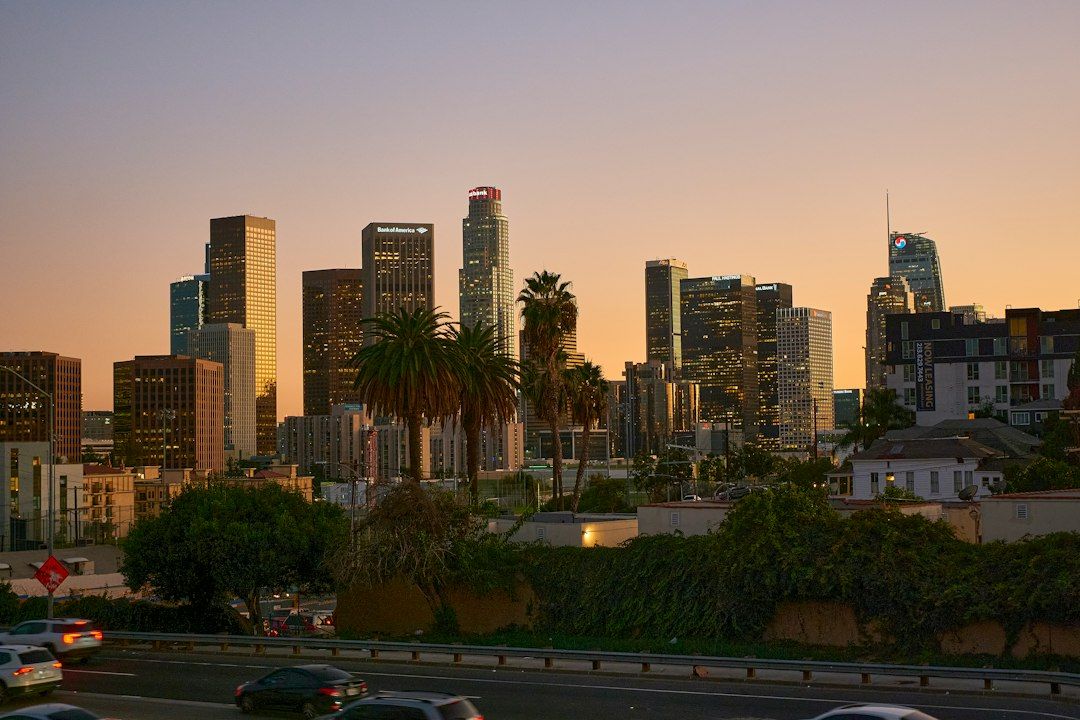
Introduction: Why auto insurance in Los Angeles costs more than you expect
If you have ever wondered why auto insurance Los Angeles California premiums feel stubbornly high, city driving is a big part of the answer. In my experience helping California drivers compare options, Los Angeles stands out for three reasons insurers care about deeply: heavy traffic, higher theft risk in many neighborhoods, and state rules that shape how carriers can price your policy.
The good news is that “expensive city” does not automatically mean you cannot find best affordable car insurance California options. It just means you need to shop smarter and build coverage that matches how you actually drive in L.A.
Los Angeles driving risk in context (and why insurers notice)
Los Angeles traffic is not just annoying, it changes the odds of a claim. The more time you spend on crowded freeways and surface streets, the more chances there are for fender benders, rear end collisions, and multi-car chain reactions.
Traffic congestion: more time on the road, more opportunity for claims
Transportation analytics firm INRIX reported that Los Angeles ranked among the most congested U.S. cities, with drivers losing about 88 hours to congestion in 2024. (inrix.com) That “extra” time often shows up in insurance data as more frequent collision claims, especially in stop-and-go conditions.
From a pricing standpoint, here is how I explain it to clients: insurers are not charging you for being patient in traffic. They are charging for the claim patterns that tend to come with dense, high-mileage commuting and constant lane changes.
Crime and vehicle theft: why comprehensive coverage matters more in L.A.
Even careful drivers get hit with risk they cannot control, like theft and vandalism. The National Insurance Crime Bureau (NICB) reported vehicle theft trends improving nationally, but still highlighted California as one of the highest theft-rate states in 2024. (prnewswire.com)
Practically, this means many L.A. drivers benefit from carrying comprehensive coverage (the part that generally responds to theft, broken windows, vandalism, and some non-collision losses). Liability-only insurance might meet legal requirements, but it can leave you exposed if your car is stolen or stripped.
Local regulations: California’s rules shape your premium and your minimum coverage
California is not a “wild west” rating state. Under Proposition 103, auto insurers must give the most weight to three mandatory factors:
- Your driving safety record
- Your annual miles driven
- Your years of driving experience (consumerwatchdog.org) They can use other secondary factors (like where the vehicle is garaged), but those cannot outweigh the big three. This is important for Los Angeles drivers because it means you still have meaningful control over your price through driving record and mileage, even in a high-cost zip code.
Also, California raised minimum liability limits starting January 1, 2025 (as policies renew), moving to 30/60/15. (insurance.ca.gov) In plain English: the legal minimum now buys more protection, but it can also increase baseline premiums compared to the old minimum.
If you want a deeper explanation of how California coverage works overall, our California Auto Insurance Guide breaks it down in everyday terms.
Key ways city driving in L.A. changes what you should buy (not just what you pay)
Premium is only half the story. The other half is building coverage that fits Los Angeles realities.
1) Collision coverage and deductibles: the “stop-and-go” problem
In L.A., I see many claims that are not dramatic, but are frequent: bumper damage, side-swipes, parking-lot hits. If you rely on your vehicle daily, collision coverage can be the difference between a manageable repair and a major out-of-pocket expense.
A practical strategy I often recommend when clients ask for cheap car insurance quotes California:
- Keep collision, but consider a higher deductible you can truly afford (for example, $1,000 instead of $500). This can reduce premium while still protecting you from the large loss.
If you are weighing what “full coverage” really means, see Full Coverage Car Insurance in California: Is It Worth the Cost?
2) Comprehensive coverage: theft, break-ins, catalytic converters, and more
Los Angeles is one of those places where comprehensive coverage earns its keep. When people drop comprehensive to lower premium, they often do it right before the exact type of loss that comprehensive would have covered.
If you park on the street, commute to high-density areas, or drive a commonly targeted model, comprehensive is often a smart buy. And if your lender requires it, dropping it is not an option anyway.
3) Uninsured and underinsured motorist coverage: a quiet L.A. essential
Even with California’s higher minimum limits starting in 2025, real accident costs can exceed basic liability quickly. When another driver has little or no insurance, uninsured motorist bodily injury coverage can help protect you and your passengers.
This is not the flashiest coverage, but in my claims conversations over the years, it is one of the most appreciated when a serious accident happens and the at-fault driver cannot pay.
4) Garaging address and “territory”: why your neighborhood affects pricing
Insurers do consider where the vehicle is primarily garaged as part of their rating approach, and in a city as large as Los Angeles, rates can vary dramatically between zip codes. That is why comparing auto insurance quotes Los Angeles CA needs to be done with accurate address details and realistic annual mileage. A small change in garaging location can materially change your premium.
If you are currently comparing providers, our guide on Comparing Car Insurance Rates in California: What Drivers Should Know can help you avoid apples-to-oranges quote comparisons.
Insights from the agent side: how to lower your California car insurance rates without “gutting” coverage
When clients search “car insurance agencies near me,” they are usually hoping someone can find discounts they missed and fix coverage gaps without turning the policy into Swiss cheese. Here are the moves that consistently help Los Angeles drivers.
Focus on what California rates reward most: miles and driving record
Because California’s system emphasizes mileage and safety record, any reduction in annual miles or improvement in driving profile can matter. Consider:
- If you work hybrid, ask about updating annual mileage at renewal.
- If you have multiple drivers, make sure driver-to-vehicle assignments reflect reality.
- Avoid “coverage shopping” that creates lapses. Continuous coverage can still affect pricing through approved rating factors.
Bundle where it truly helps
Bundling can be meaningful, especially if you also need homeowners or renters coverage. For many households, a well-structured bundle is one of the simplest ways to lower the total insurance spend without sacrificing protection.
If this applies to you, read Home and Auto Insurance Bundles in California
Shop strategically, not constantly
Rates move, underwriting appetite changes, and some carriers simply price certain L.A. profiles better than others. The key is to compare intelligently: same limits, same deductibles, same drivers, same garaging, same mileage.
If you want a structured walkthrough, How Auto Insurance Quotes Work in California: From Request to Policy explains what information matters and why.
Consider a coverage review after the 2025 minimum-limit change
Since California’s minimum required limits increased effective January 1, 2025 (as policies renew), it is a good moment to review whether your liability limits still match your real-world risk. (insurance.ca.gov) In L.A., where multi-vehicle accidents are common and repair costs are high, many drivers choose limits above the minimum for better financial protection.
Closing thoughts: city risk is real, but your policy can be smarter
Los Angeles driving affects both your premium and the types of losses you are most likely to face. Congestion increases collision frequency potential, theft risk makes comprehensive coverage more valuable, and California’s regulations shape how insurers calculate California car insurance rates. The result is that the cheapest quote is not always the best fit, especially if it leaves you exposed to the most common L.A. losses.
If you are trying to balance protection and price, start with a clear picture of your mileage, driving record, garaging location, and the coverages that matter most for your day-to-day life. That is how you turn city driving from an insurance penalty into a manageable plan.
Sara Mirzaei Insurance Agency
Choosing auto insurance should feel like getting clear guidance, not like guessing. At Sara Mirzaei Insurance Agency, we help drivers and families throughout California compare coverage options with a practical lens on Los Angeles realities, including traffic exposure, theft concerns, and the 2025 minimum-limit changes.
Ready to ensure you have the right protection at the best possible rate? Contact us today for a comprehensive coverage review and a personalized quote tailored to your lifestyle. Visit our Contact page to get started, learn more About our agency, or read what clients say on our Reviews.
By Sara Mirzaei & Team