
Comparing Car Insurance Rates in California: What Drivers Should Know
If you have ever compared quotes from three different California auto insurance providers and wondered why the prices felt miles apart, you are not alone. After more than 15 years helping drivers across the state compare policies, I can tell you that California car insurance rates are shaped by some very specific rules, local risks, and personal factors.
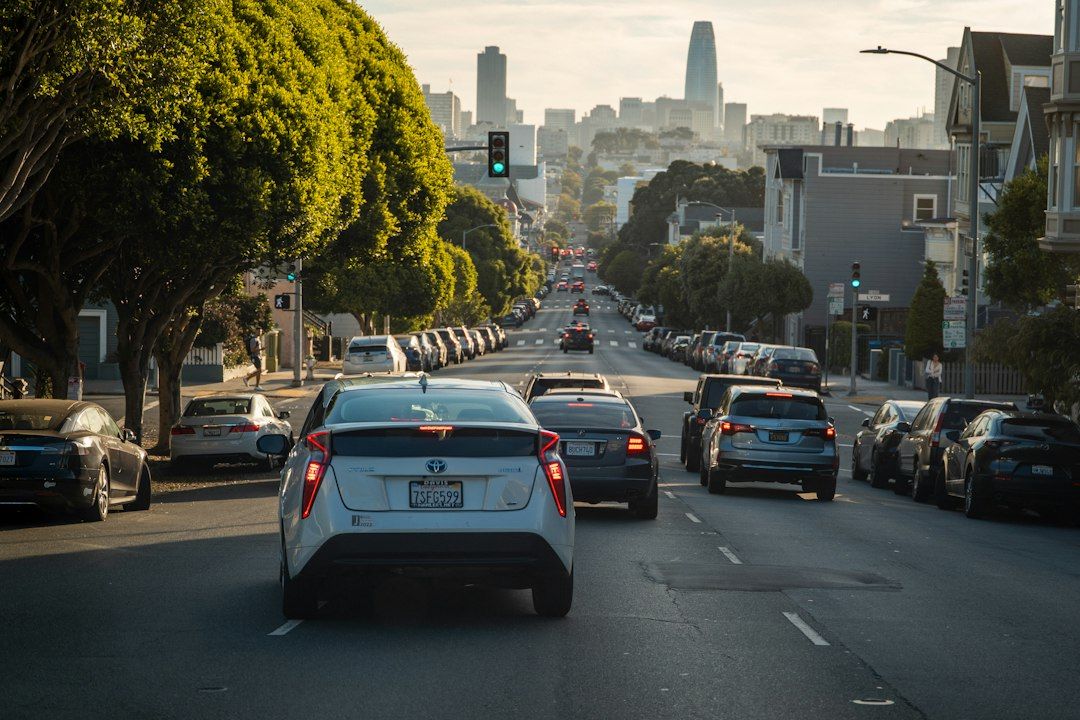
Understanding California car insurance rates
If you have ever compared quotes from three different California auto insurance providers and wondered why the prices felt miles apart, you are not alone. I have spent more than 15 years helping drivers across the state compare policies, and I can tell you that California car insurance rates are influenced by some very specific rules, local risks, and personal factors.
In this guide, I will walk you through how rates really work in our state, what to look for when shopping, and how to decide which option is truly the best car insurance in CA for your situation, not just the cheapest number on the screen.
How and why California car insurance rates vary
California regulates auto insurance more tightly than many other states, mainly because of Proposition 103. The California Department of Insurance (CDI) must approve rates and rating plans, and companies are required to base your premium primarily on three things, in this order:
- Your driving safety record
- The number of miles you drive each year
- Your years of driving experience Only after that can insurers consider a limited list of “optional” factors, such as your ZIP code, type of vehicle, and how you use it (commute, business, pleasure). California law does not allow insurance companies to use your credit score as a rating factor, unlike most other states. The CDI and consumer organizations have documented that this keeps pricing more closely tied to actual driving risk.
Even with those protections, California car insurance rates still vary widely across the state. A few of the biggest drivers:
-
Geography and traffic patterns. Urban areas with dense traffic, like parts of Los Angeles, the Bay Area, and San Diego, tend to see higher claim frequency. More accidents usually equals higher premiums. Rural and some suburban areas often pay less.
-
Repair and medical costs. Where repair shops, medical providers, and legal costs are higher, premiums follow. National data from groups such as the Insurance Information Institute and the National Association of Insurance Commissioners shows a clear link between rising claim severity and higher premiums.
-
Theft, vandalism, and fraud. Areas with higher rates of vehicle theft, catalytic converter theft, and staged accidents typically have higher comprehensive and collision premiums. Many carriers publish risk data that shows significant differences between ZIP codes only a few miles apart.
-
Litigation environment. California is known as a relatively litigious state. Bodily injury liability claims and lawsuits have been trending more expensive nationwide, and that pressure shows up in our rates too. California’s minimum liability limits also matter. As of 2025, the state minimum is:
-
30,000 per person for bodily injury
-
60,000 per accident for bodily injury
-
15,000 per accident for property damage Those minimums are higher than they used to be, which helps protect injured people but also raises the floor on cost. If you want a deeper overview of coverage types and limits, I recommend starting with our California Auto Insurance Guide.
Comparing California auto insurance providers the right way
When you start collecting quotes, it is easy to focus only on the bottom-line price. In my experience, that is how people accidentally underinsure themselves. Here is how to evaluate each car insurance company in California more effectively.
1. Look beyond the lowest quote
A “too good to be true” quote often means:
- State-minimum liability limits that are far too low for most homeowners or anyone with savings
- High deductibles on collision and comprehensive
- Missing protections like uninsured motorist coverage, rental reimbursement, or roadside assistance If you cause a serious accident and have only state-minimum coverage, your personal assets can be exposed. As an agent, I have seen clients upgrade from the bare minimum to more realistic limits for only a modest monthly difference. When you are evaluating the best car insurance company in California for your family, that extra protection usually makes more sense than saving a few dollars.
2. Compare coverage “apples to apples”
When you line up quotes, make sure each proposal uses:
- The same liability limits (for example, 100/300/100 instead of 30/60/15)
- The same collision and comprehensive deductibles
- The same optional coverages (uninsured/underinsured motorist, medical payments, rental car, OEM parts, etc.) If one quote looks significantly cheaper, there is usually a difference in coverage somewhere in the fine print. A good agent should be willing to walk through each line with you and explain the tradeoffs. Our article on how auto insurance quotes work in California breaks down this process step by step.
3. Check company financial strength and claims reputation
Price matters, but so does how you are treated when you have a claim.
- Financial strength. Independent rating agencies like AM Best and Standard & Poor’s evaluate whether insurers have the financial resources to pay claims, especially in bad years. When I help clients compare policies, I prefer companies with strong, stable ratings rather than unknown carriers with rock-bottom pricing.
- Customer satisfaction. Surveys by J.D. Power and Consumer Reports, along with the complaint ratios published by the California Department of Insurance, can give you a picture of service quality. It is also smart to read local feedback. Our own client stories on the Reviews page share real experiences from California drivers with our agency and carrier partners.
4. Discounts and bundling options
Different California auto insurance providers reward different behaviors. Some common discounts:
- Good driver and good student
- Low-mileage and telematics / usage-based programs
- Multi-car and multi-policy (home, condo, renters, umbrella)
- Safety features, anti-theft devices, and defensive driving courses If you also own a home, condo, or rent, combining policies can significantly reduce your total premium. You can learn more about this strategy in our guide to home and auto insurance bundles in California.
What “best car insurance in CA” really means for you
When people ask me who offers the “top car insurance in California,” my honest answer is: it depends on your priorities. The right fit for a 22-year-old commuter in Los Angeles is very different from what makes sense for a retired couple in Roseville.
Here are a few real-world patterns I see:
- Families with teen drivers. Teen drivers are one of the most expensive risk categories. Some companies have much better pricing and discount options for families with young drivers, including good student discounts and driving apps that reward safe behavior. For those households, the best car insurance in CA is usually a carrier that combines competitive teen rates with strong claims support, even if they are not the cheapest for everyone else.
- Homeowners and high-asset households. If you own a home, have savings, or own a business, protecting your liability exposure is critical. In serious accidents, injury and lawsuit costs can easily exceed 100,000. I typically recommend higher liability limits, umbrella coverage, and an insurer known for skillful claims handling. For this group, the best car insurance company in California is often one that offers coordinated personal and business insurance options, not just a low basic auto premium.
- Urban apartment dwellers and rideshare drivers. City drivers who use their cars daily, or who drive for companies like Uber or Lyft, face different risks. You may need endorsements that fill gaps between your personal policy and the rideshare company’s coverage. Some insurers specialize in this area, and they might be your top car insurance in California even if their base rates are slightly higher.
- Low-mileage or work-from-home drivers. If you drive very little, you may benefit from usage-based or pay-per-mile programs. Some carriers are far more competitive in this niche. For these drivers, the “best” company is usually the one that prices fairly for low mileage and still offers solid protection. In short, there is no single universal winner. The job of a trusted agent is to help match your profile and risk tolerance with the carrier that truly fits, not just to chase the lowest advertised price.
Practical steps to find top car insurance in California
Here is how I advise California drivers to approach the comparison process.
Step 1: Clarify your coverage needs
Before you get quotes, think through:
- Do you need full coverage (liability plus collision and comprehensive), or is liability only appropriate for an older vehicle you could afford to replace?
- What liability limits make sense given your income, savings, and property?
- Do you want extras like roadside assistance, rental reimbursement, or new car replacement? Our California Auto Insurance Guide and our broader Personal Insurance page are good places to review these options in more detail.
Step 2: Get multiple quotes, but from quality companies
Gather quotes from several reputable California auto insurance providers, ideally through an experienced agent who understands our state’s regulations. Ask them to:
- Use the same coverage structure on each quote
- Identify where they see you potentially underinsured
- Explain what is driving your premium (miles driven, prior accidents, vehicle cost, etc.) This makes it much easier to see which option truly offers the best value, not just the lowest number.
Step 3: Factor in long-term costs and savings
A slightly higher premium from a company that:
- Pays claims fairly
- Offers strong accident forgiveness or disappearing deductibles
- Provides better multi-policy discounts can be cheaper in the long run than the rock-bottom quote that cancels you after a claim or raises your rate sharply.
If your main concern is affordability, I recommend reading our article on the cheapest auto insurance in California and how to cut your premiums. It outlines practical ways to reduce cost without stripping away crucial protection.
Step 4: Review your policy regularly
Life changes, and so should your coverage. Review your policy at least once a year or when:
- You move, change jobs, or significantly change your commute
- You add or remove drivers (especially teen drivers)
- You buy or sell vehicles
- Your financial situation changes I have seen many clients save meaningful money or close serious coverage gaps simply by doing an annual review. A quick conversation can reveal discounts you are not using or coverage that no longer fits.
Bringing it all together
California car insurance rates are shaped by a unique mix of state regulations, local conditions, and personal driving habits. That is why quotes can vary so much from one company to another, and even from one neighborhood to the next.
When you compare a car insurance company in California, focus on more than price. Look at coverage limits, deductibles, financial strength, claims reputation, and how well the policy fits your real-world risks. The best car insurance in CA for you is the one that balances cost, protection, and service, not merely the lowest premium on a comparison site.
If you take a structured approach to shopping and lean on expert guidance, you can feel confident that you are truly protected when it matters most.
Sara Mirzaei Insurance Agency
If you are unsure whether your current policy is still the right fit, that is exactly where a trusted local agent can help. At Sara Mirzaei Insurance Agency, we sit down with California drivers one-on-one to review existing coverage, explain how your premium is calculated, and compare options from respected carriers. Our goal is to help you find the right balance between strong protection and a reasonable price, tailored to how and where you actually drive.
When you are ready to take the next step toward better coverage, visit our Contact page to request a personalized review, or learn more about our story on the About page. Let us help you feel confident that your auto insurance will be there when you need it most.
By Sara Mirzaei & Team