
How Much Does Renters Insurance Cost in California?
Living in California comes with a well-known price tag. The housing market is famously competitive, and median rental prices consistently outpace the national average. With roughly 44 percent of residents renting, many Californians are trying to balance high costs with protecting their financial security.
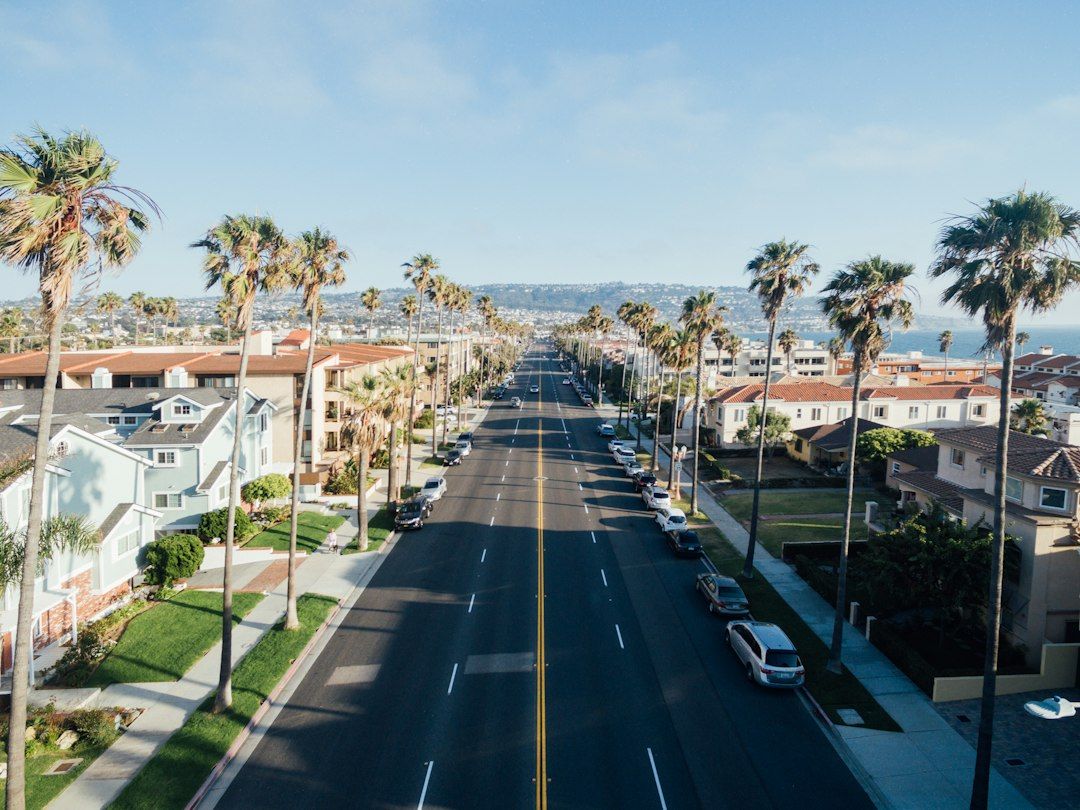
Navigating the Golden State Rental Market
Living in California comes with a well-known price tag. The housing market is famously competitive, and median rental prices consistently outpace the national average. With approximately 44 percent of the state's residents renting their homes, an enormous portion of the population faces the challenge of balancing high living costs with the need to protect their financial security.
When so much of your monthly budget goes toward rent, the idea of adding another bill can feel overwhelming. However, protecting your space and your belongings does not have to break the bank. In fact, securing this vital protection is one of the most cost-effective financial decisions a tenant can make.
At Sara Mirzaei Insurance Agency, we have spent over 15 years helping individuals and families across the state protect their most valued possessions. As a Farmers Insurance agency dedicated to personalized service, we frequently field questions from tenants who want to know exactly what they are getting into before signing a policy. The most common question by far is simply about the price tag.
If you are wondering about the numbers, you are in the right place. We are going to break down the typical costs, explain exactly what factors drive your premiums up or down, and share professional insights to help you maximize your coverage without overpaying.
The Breakdown: Average Renters Insurance Costs in California
It often comes as a pleasant surprise to our clients that despite the high cost of living, California renters actually pay premiums that are highly affordable, and in many cases, slightly below the national average.
According to industry data from 2025 and 2026, the average cost of renters insurance in CA typically ranges between $144 and $253 per year. When you break that down, it comes out to roughly $12 to $21 per month. For the cost of a couple of streaming subscriptions or a few trips to your favorite local coffee shop, you can secure tens of thousands of dollars in financial protection.
But what exactly are you buying for that monthly premium? To understand the cost, you have to understand the product. If you want to dive deep into the foundational elements of these policies, our guide on Renters Insurance Basics is a great place to start. In short, a standard policy typically includes three primary pillars of protection.
First, there is personal property coverage. This pays to repair or replace your belongings if they are damaged or destroyed by a covered peril, such as a fire, theft, or vandalism. Second is personal liability coverage. If a guest trips on your rug and gets injured, or if your dog bites a neighbor, liability protection helps cover their medical expenses and your legal defense fees if you are sued. Finally, policies include loss of use coverage. If a covered disaster renders your apartment uninhabitable, this coverage steps in to pay for your hotel bills, restaurant meals, and other extra living expenses while your home is being repaired.
While the state does not legally require tenants to carry a policy, an increasing number of property managers and landlords are writing it into their lease agreements as a mandatory condition of tenancy. For a deeper look at the mechanics of these requirements, you can explore our detailed breakdown on Renters Insurance in California: What It Covers and Why You Need It.
Key Factors That Drive Your Premiums
While the statewide averages provide a helpful baseline, your specific rate will be unique to you. Insurance companies use sophisticated underwriting models to determine the likelihood of a claim, and several personal and geographic variables will influence your final quote.
Your Geographic Location
Your zip code is one of the most significant factors in determining your premium. California is a massive, diverse state with a wide variety of localized risks. If you live in a dense urban neighborhood in Los Angeles or San Francisco where property crime and theft rates are statistically higher, you might see a slightly higher premium compared to someone renting a quiet suburban home in the Central Valley.
Similarly, the growing threat of climate-driven events plays a role. If your rental property is located near a wildland-urban interface with a high risk of wildfires, carriers will factor that localized risk into your rate.
Coverage Limits and Amounts
The amount of coverage you select directly correlates to the price you pay. A base policy might offer $20,000 in personal property protection and $100,000 in personal liability protection. If you own high-end furniture, expensive electronics, or an extensive wardrobe, $20,000 might not be enough to replace your life.
Increasing your personal property limits will naturally raise your premium, but the increase is usually quite modest. Interestingly, increasing your personal liability limit from the standard $100,000 to $300,000 or even $500,000 often costs just a few extra dollars a year. We almost always recommend bumping up your liability limits, as it offers a massive increase in financial security for a negligible cost.
Deductible Choices
Your deductible is the amount of money you agree to pay out of pocket before your insurance benefits kick in following a claim. Common deductible amounts for renters range from $250 to $1,000.
If you choose a lower deductible, your insurance company takes on more financial risk in the event of a claim, which means your monthly premium will be higher. Conversely, if you select a $1,000 deductible, your monthly premium will decrease. You just need to ensure you have that $1,000 set aside in an emergency fund so you are not caught off guard if you need to file a claim.
Actual Cash Value vs. Replacement Cost
When you are setting up your policy, you will have to choose how your belongings are valued in a covered loss.
Actual Cash Value policies pay out the depreciated value of your items. If your five-year-old laptop is stolen, the insurance company will give you a check for what a five-year-old laptop is worth today, which might only be a fraction of what you originally paid.
Replacement Cost coverage, on the other hand, pays out what it costs to buy a brand-new version of that item at today's retail prices. While Replacement Cost coverage is slightly more expensive, it is widely considered the smartest option when seeking the best renters insurance in California. The slight increase in premium is heavily outweighed by the superior payout during a claim.
Insights: Navigating the California Market
Over the past few years, the California property insurance market has experienced significant shifts. Inflation, rising building costs, and severe weather events have put immense pressure on insurance carriers. While homeowners and commercial property owners have felt the sharpest sting of rate increases and policy non-renewals, renters are not entirely insulated from these macro trends.
From our perspective as local industry professionals, we have noticed a direct ripple effect on tenants. Because landlords are facing steep increases in their own commercial property insurance costs, they are becoming increasingly strict about minimizing their liability. One of the easiest ways for a landlord to protect themselves is to require every tenant to carry their own renter insurance in California. This ensures that if a tenant accidentally starts a kitchen fire, the tenant's liability coverage can respond to the damage, rather than the landlord having to file a claim on their own expensive commercial policy.
Beyond landlord requirements, we continually stress the life-saving importance of "Loss of Use" coverage, especially given California's recent history with wildfires. If a nearby brush fire triggers a mandatory evacuation order, or if smoke damage renders your apartment unsafe to breathe in, you cannot stay in your home. Hotel bills, emergency meals, and the costs of commuting from a temporary location add up with terrifying speed. We have seen Loss of Use coverage serve as the ultimate safety net, preventing displaced families from falling into crippling credit card debt during emergencies.
When searching for the best California renters insurance, it is tempting to simply sort by the lowest price and click buy. However, a stripped-down policy with inadequate Loss of Use limits or Actual Cash Value payouts might leave you severely under-protected when a crisis strikes. The goal is to find a balance between affordability and comprehensive protection, tailored specifically to your lifestyle and assets.
Step-by-Step: Estimating Your Personal Property
One of the most frequent mistakes we see when clients are gathering renters insurance quotes in California is wildly underestimating the value of their belongings. People tend to think only of big-ticket items like televisions and sofas. They forget about the clothes in their closets, the pots and pans in their kitchen, and the shoes by the front door.
If you had to replace every single item in your apartment tomorrow, the bill would likely shock you. To ensure you purchase the right amount of coverage, we recommend taking an afternoon to conduct a simple home inventory.
- Walk through your home with a smartphone camera: Record a slow, continuous video of your apartment. Open drawers, pan across your closet racks, and capture the contents of your kitchen cabinets.
- Document high-value items separately: Take clear photos of serial numbers on electronics, bicycles, and appliances.
- Store the inventory safely: Upload your video and photos to a secure cloud storage service. If your phone or computer is destroyed in a fire, you will still be able to access your records from another device.
- Calculate a rough estimate: Assign an approximate replacement cost to your broad categories (e.g., $5,000 for clothing, $3,000 for living room furniture, $2,000 for kitchenware). Add these numbers up to find your baseline personal property limit. This proactive exercise not only guarantees you purchase enough coverage, but it also makes the claims process infinitely smoother and faster if disaster ever strikes.
Overlooked Details: Earthquakes and Valuables
As a California resident, there is a specific geological risk that requires special attention. A standard policy will reliably cover perils like fire, smoke, windstorms, theft, and vandalism. It will not, under any circumstances, cover damage caused by an earthquake.
If an earthquake strikes and shatters your expensive electronics, ruins your furniture, or forces you to evacuate your structurally compromised building, standard renters coverage will not pay out. To protect yourself from seismic events, you need a standalone earthquake policy or a specific earthquake endorsement. You can learn more about how to navigate this unique regional risk by reading our guide on How Earthquakes Impact Renters Insurance in California.
Additionally, it is crucial to understand policy sub-limits. Standard policies cap the payout for specific categories of high-value items, such as fine jewelry, artwork, firearms, or specialized musical instruments. For example, your policy might have a total personal property limit of $30,000, but it might cap jewelry payouts at just $1,500 total.
If you own an engagement ring worth $5,000, a standard policy will leave you with a major coverage gap. The solution is to "schedule" these specific high-value items on your policy. Scheduling an item requires an appraisal, but it guarantees the item is fully covered up to its appraised value, often without a deductible. If you have unique coverage needs for your valuables, exploring our Personal Insurance solutions is the best way to ensure there are no hidden gaps in your protection plan.
Conclusion
At the end of the day, understanding the costs and benefits of protecting your rental home does not have to be a complicated ordeal. While the state's housing market can be incredibly demanding, securing coverage remains one of the most accessible and affordable ways to safeguard your financial future.
Whether you are moving into your very first apartment in the city or relocating your family to a larger rental in the suburbs, taking the time to properly evaluate your assets and liability needs will pay dividends in peace of mind. The key to finding the best renter insurance in California is to partner with a trusted local professional who will take the time to understand your specific situation, explain your options clearly, and build a customized safety net that fits seamlessly into your budget.
Sara Mirzaei Insurance Agency
We know that navigating policy limits, deductibles, and local risk factors can feel overwhelming, but you do not have to figure it out alone. As a trusted local Farmers Insurance agency, we pride ourselves on crafting customized solutions that prioritize your unique needs and financial goals.
Ready to ensure you have the right protection at the best possible rate? Contact us today for a comprehensive coverage review and a personalized quote tailored to your lifestyle. Let our expert team handle the heavy lifting so you can enjoy the peace of mind that comes with knowing your family, your assets, and your future are properly secured.
By Sara Mirzaei & Team