
House Insurance for California Coastal vs. Inland Homes
Did you know that California homeowners could see average insurance rates climb substantially through 2026? Whether you wake up to the sound of Pacific waves or the quiet sunrise over the Central Valley, protecting your property has never been more complex in the Golden State.
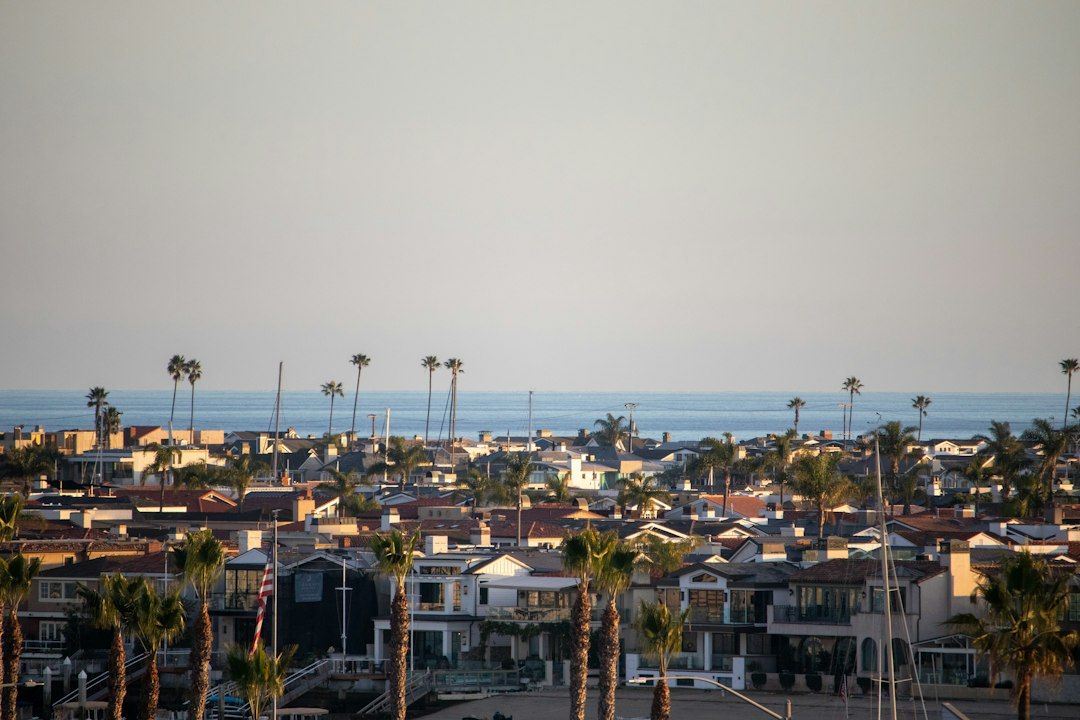
Securing Your California Home: A Tale of Two Geographies
Did you know that California homeowners could see average insurance rates climb substantially through 2026? Whether you wake up to the sound of Pacific waves or the quiet sunrise over the Central Valley, protecting your property has never been more complex. At Sara Mirzaei Insurance Agency, we understand the nuances of the Golden State's unique landscape. Finding the right house insurance california residents need means understanding the distinct risks your specific location faces. In this article, we will compare the coverage considerations, distinct risks, and pricing factors for properties along the coast versus those nestled inland, helping you navigate today's challenging insurance market with confidence.
The State of the Market: Understanding the Shift
For years, homeowners insurance california premiums remained relatively moderate compared to the national average, thanks largely to strict state regulations. However, the landscape has shifted dramatically. Following catastrophic events like the 2025 Los Angeles wildfires, which alone generated an estimated $41 billion in losses, insurance carriers have had to drastically recalibrate how they view property risk.
We are seeing firsthand how these statewide changes affect families and local business owners. Today, the insurance crisis is no longer confined just to the wildland-urban interface. Carriers are tightening underwriting guidelines across the board, which means even low-risk, urban, and inland homes are feeling the ripple effects. Because of these market contractions, enrollment in the California FAIR Plan, the state's insurer of last resort, surged dramatically, absorbing properties in both high-risk fire zones and standard suburban neighborhoods.
When evaluating california house insurance, the first factor carriers consider is geography. The state's vast size means that a home in a coastal community like Pacific Beach faces an entirely different set of environmental challenges than a property in Fresno or the Inland Empire. But what connects them both is the reality of rising home insurance rates california residents must prepare for. Analysts project that average premiums could jump by up to 16% statewide in 2026 as insurers implement more advanced risk modeling and attempt to recoup recent losses.
Fortunately, the Department of Insurance is currently rolling out the Sustainable Insurance Strategy. This initiative encourages private insurers to return to distressed areas by allowing them to use forward-looking catastrophe models, provided they commit to writing more policies in those high-risk zones. For homeowners, this means that while prices are adjusting, new options in the private market are gradually beginning to open up. Understanding how your property fits into this puzzle is the first step toward securing comprehensive personal insurance solutions that actually protect your financial future.
Coastal vs. Inland Risk Profiles
When we craft tailored policies for our clients, we look closely at the specific perils associated with their zip code. The divide between coastal and inland properties highlights how property insurance california carriers assess risk.
Coastal Homes: High Value and Water Perils Homes situated along the California coastline often feature higher property values and custom construction, which immediately increases the dwelling coverage limits needed. While these homes may be further from dense wildfire brush, they face severe risks from winter storms, atmospheric rivers, and coastal erosion.
-
Water and Mudslide Risks: Standard home insurance california policies do not cover flood damage or earth movement. A coastal property on a hillside may require a separate Difference in Conditions policy to cover mudslides, especially after heavy rains saturate the ground.
-
Construction Costs: Building materials in coastal zones must withstand salt air and moisture. Furthermore, local building codes often require specific upgrades, meaning that if a disaster strikes, the cost to rebuild is significantly higher than the state average. Inland Homes: Extreme Heat and Wildfire Exposure Conversely, inland homes, particularly those in the Central Valley, the Inland Empire, and the Sierra foothills, face an entirely different risk profile.
-
Wildfire Proximity: The biggest threat to inland homes is wildfire. Properties located in or near the wildland-urban interface are heavily scrutinized by insurers. In some inland foothill communities, rates have doubled, and many homeowners have been pushed to the FAIR Plan.
-
The "Brown-Ocean" and Secondary Effects: Interestingly, inland areas are not immune to water damage. Recent climate studies note the "brown-ocean effect," where soaked inland grounds from earlier heavy rains can sustain powerful storm systems far from the coast. Additionally, intense heat waves in the valley can cause roof degradation and foundational shifts due to dry soil. Consider a homeowner in Modesto versus one in a coastal San Diego suburb. The inland Modesto home might see premium hikes driven primarily by regional wildfire scoring and the need for fire-hardened roofing. Meanwhile, the coastal San Diego home might face steep premiums based on the sheer replacement cost of the structure and mandatory coastal commission building standards. Comparing home insurance quotes is crucial because carriers weigh these localized factors differently.
Actionable Insights from a Local Expert
With over 15 years of experience providing multi-line insurance products in California, we have learned that passive homeownership is no longer an option. Securing favorable rates today requires proactive risk management and partnering with an agency that will advocate for you.
First, if you own an inland home, fire hardening is your best defense against non-renewal. We strongly advise our clients to maintain at least 100 feet of defensible space around their property, upgrade to Class A fire-rated roofs, and install ember-resistant vents. Under the state's new regulatory framework, insurers are increasingly required to offer discounts to homeowners who take these specific mitigation steps. Documenting these upgrades and presenting them to your insurance agent can be the difference between staying in the private market or falling onto the FAIR Plan.
For coastal homeowners, the focus must shift to water mitigation and structural resilience. Installing automatic water shut-off valves, upgrading windows to impact-resistant glass, and ensuring your foundation is properly retrofitted are excellent ways to signal to carriers that your home is a preferred risk. Since coastal properties often carry higher premiums due to replacement costs, we frequently help clients find value by exploring home and auto insurance bundles, which can unlock significant multi-line discounts.
Another vital trend we are watching in 2026 is the evolution of the California FAIR Plan. While it was designed as a temporary safety net, it has become a permanent reality for nearly 650,000 residents. If you are currently on the FAIR Plan, do not assume you are stuck there forever. As insurers like Farmers Insurance and others begin meeting their commitments to write more policies in distressed areas under the Sustainable Insurance Strategy, new private market options are slowly returning. We routinely review our clients' FAIR Plan policies to seamlessly transition them back to standard, comprehensive coverage the moment a private carrier opens up in their zip code.
Securing Your Future in a Changing Climate
Whether your property overlooks the ocean or sits in the heart of the Central Valley, the realities of California's evolving climate and regulatory environment demand a strategic approach to coverage. While coastal homes grapple with high rebuilding costs and storm-related perils, inland properties must navigate the ever-present threat of wildfires and surging premiums.
Navigating the complexities of property insurance in this state requires more than a simple online search; it requires deep, localized expertise and a personalized touch. By understanding your specific regional risks and taking proactive steps to protect your property, you can position yourself favorably in a tightening market. Do not wait for a non-renewal notice to hit your mailbox to start thinking about your options.
Sara Mirzaei Insurance Agency
Ready to ensure you have the right protection at the best possible rate? Contact us today for a comprehensive coverage review and a personalized quote tailored to your lifestyle. At Sara Mirzaei Insurance Agency, we pride ourselves on a highly personalized approach, crafting insurance solutions that fit your specific needs and goals. With over 15 years of experience serving California individuals, families, and businesses, we understand the local market inside and out. Whether you need to navigate a transition from the FAIR Plan or simply want to explore better rates for your home and assets, our expert team is here to provide clear, dependable guidance. Reach out to us to secure your financial future with a trusted partner who puts your peace of mind first.
By Sara Mirzaei & Team